
Spiritual disciplines are intentional practices Christians undertake to grow closer to God, fostering a vigorous and dynamic spirituality through intentional habits․
What are Spiritual Disciplines?
Spiritual disciplines are defined as deliberate activities undertaken to cultivate a deeper relationship with God and foster spiritual growth․ They aren’t rules to earn God’s favor, but rather tools—channels—through which the Holy Spirit works to develop Christ-like character within us․ These practices have been central to Christian life for centuries, providing space to intentionally “keep company with Jesus․”
Essentially, a spiritual discipline is a physical or mental activity a Christian consciously chooses to engage in to positively impact their spiritual life․ They represent a commitment to intentionality, moving beyond passive faith to actively pursuing God’s presence and will․ These disciplines aren’t about achieving perfection, but about creating rhythms in our lives that open us to God’s transforming power, allowing Christ to be formed within us․
The Historical Context of Spiritual Disciplines
The practice of spiritual disciplines isn’t a modern invention; it’s deeply rooted in the history of Christianity․ From the earliest days of the church, believers have intentionally incorporated practices like prayer, fasting, and solitude into their lives to deepen their connection with God․ Early monastic traditions, particularly, emphasized structured spiritual practices as a pathway to holiness․
Throughout the centuries, figures like Augustine, Benedict, and Teresa of Ávila have championed these disciplines, leaving a rich legacy of spiritual wisdom․ These practices weren’t confined to monasteries, however; they were also embraced by lay Christians seeking a more vibrant faith․ The classical disciplines represent a continuous thread woven throughout Christian history, demonstrating a consistent desire for more of God and a recognition that intentional practices facilitate spiritual development․
The Goal: Christ Formation (Galatians 4:19)
The ultimate aim of engaging in spiritual disciplines isn’t simply to do more for God, but to become more like Christ․ This concept, powerfully illustrated in Galatians 4:19, describes Paul’s experience of “birth pangs” until Christ is fully formed within believers․ It’s a transformative process, a deep inner work of the Holy Spirit․
Disciplines aren’t tools for self-improvement, but rather channels through which God’s grace flows, shaping our character and aligning our lives with His; They create space for the Spirit to work, cultivating the life and character of Jesus in us․ This formation isn’t passive; it requires intentionality and consistent effort, yielding a vibrant, dynamic spirituality and a life increasingly reflective of Christ’s love and humility․

Disciplines of Abstinence
Disciplines of abstinence involve intentionally stepping away from something good to create space for God, including solitude, silence, fasting, and frugality․
Solitude: Creating Space for God
Solitude, a core discipline of abstinence, isn’t merely about being alone; it’s intentionally creating a space free from distractions to connect with God․ It’s a deliberate withdrawal from the noise and demands of daily life, allowing for deep reflection and communion with the Divine․
This practice, often challenging in our hyper-connected world, allows the Holy Spirit to work unhindered within us․ It’s in the quiet moments, away from external influences, that we can truly hear God’s voice and discern His will․ Solitude isn’t about escaping people, but about prioritizing our relationship with God so that we can better love and serve others․
Regularly scheduling time for solitude – even short periods – can profoundly impact our spiritual lives, fostering a sense of peace, clarity, and dependence on God․ It’s a vital practice for cultivating a vibrant and dynamic spirituality․
Silence: Listening to God’s Voice
Silence, another crucial discipline of abstinence, is more than just the absence of sound; it’s an active posture of listening for God’s voice․ In a world saturated with noise, intentionally seeking silence allows us to quiet the internal chatter and external distractions that prevent us from hearing His still, small voice․
This practice requires discipline, as our minds naturally resist emptiness․ However, through consistent effort, we can learn to embrace silence as a space where God speaks – not necessarily through audible words, but through impressions, insights, and a deeper sense of His presence․
Cultivating silence isn’t easy, but it’s essential for spiritual growth․ It allows us to move beyond simply talking to God and begin truly listening to Him, fostering a more intimate and transformative relationship․
Fasting: Spiritual Hunger and Dependence
Fasting, a discipline of abstinence, is intentionally refraining from food (or other comforts) for a spiritual purpose․ It’s not about deprivation, but about redirecting our hunger – shifting our focus from physical needs to a deeper longing for God․ This creates space for spiritual hunger and cultivates dependence on Him․
Throughout Scripture, fasting is linked to seeking God’s guidance, repentance, and spiritual breakthrough․ By temporarily denying ourselves physical nourishment, we become more attuned to our spiritual needs and more receptive to God’s voice․ It’s a powerful way to humble ourselves before Him and acknowledge our reliance on His provision․
Fasting isn’t a rigid rule, but a personal practice undertaken with a sincere heart․ It’s about creating an environment where we can truly encounter God and experience His transforming power․
Frugality: Detachment from Material Possessions
Frugality, as a spiritual discipline, isn’t about stinginess, but intentional simplicity and detachment from material possessions․ It’s a conscious decision to live with less, freeing ourselves from the grip of consumerism and the pursuit of worldly wealth․ This practice cultivates contentment and redirects our focus towards eternal values․
By simplifying our lives and reducing our dependence on material things, we create space for generosity, compassion, and a deeper connection with God․ Frugality helps us recognize that true fulfillment doesn’t come from what we own, but from who we are in Christ․
It’s a deliberate choice to prioritize spiritual growth over material gain, recognizing that our earthly possessions are temporary and ultimately insignificant compared to the riches of God’s kingdom․
Chastity: Purity and Wholeness
Chastity, often misunderstood, extends far beyond simply avoiding sexual immorality․ It’s a discipline of the heart, encompassing the ordering of all our desires and affections, directing them towards God․ It’s about cultivating purity in thought, word, and deed, recognizing that our sexuality is a sacred gift meant to be expressed within the boundaries of God’s design․
This discipline isn’t about repression, but about rightly ordering our passions and channeling our energy towards loving God and loving others․ It’s a pathway to wholeness, freeing us from the bondage of lust and allowing us to experience true intimacy and connection․
Chastity fosters self-control, reverence, and a deeper appreciation for the beauty and sanctity of life, ultimately leading to a more fulfilling and meaningful existence․
Secrecy: Hidden Life with Christ
Secrecy, as a spiritual discipline, isn’t about deception or withdrawal from the world, but rather a deliberate cultivation of a hidden life with Christ․ It’s about prioritizing our relationship with God above the need for external validation or recognition․ This involves intentionally creating space for private devotion, prayer, and reflection, shielded from the gaze of others․
Jesus himself often withdrew to solitary places to pray (Luke 5:16), demonstrating the importance of this practice․ Secrecy allows us to encounter God authentically, without the pressure of performance or the distraction of public opinion․ It’s in the quiet, hidden places that we truly discover who we are in Christ․
This discipline fosters humility, dependence on God, and a deeper intimacy with the Father, Son, and Holy Spirit․
Sacrifice: Offering to God
Sacrifice, within the context of spiritual disciplines, extends far beyond merely giving up something pleasurable․ It represents a deliberate offering of ourselves – our time, resources, comfort, and even our desires – to God as an act of worship and devotion․ This echoes the ancient biblical practice of offering sacrifices as a means of atonement and expressing gratitude․
However, in the New Testament, the ultimate sacrifice has already been made by Christ on our behalf․ Our sacrifices now are symbolic, demonstrating our willingness to surrender our lives to God’s will and align our hearts with His purposes․ It’s about recognizing that everything we have comes from Him and willingly returning it for His glory․
Genuine sacrifice cultivates a spirit of generosity, humility, and a deeper understanding of God’s love․

Disciplines of Engagement
Disciplines of engagement actively involve us with God and others, encompassing practices like worship, service, and prayer, deepening our faith actively․

Study: Engaging with Scripture and Theology

Diligent study of Scripture and theological truths forms a cornerstone of spiritual growth, moving beyond mere reading to deep engagement with God’s revealed Word․ This discipline isn’t simply accumulating knowledge; it’s a transformative process where the Holy Spirit illuminates understanding, shaping our beliefs and behaviors․
Consistent Bible reading, coupled with thoughtful reflection and prayerful application, allows God’s truth to penetrate our hearts․ Exploring theological resources – commentaries, systematic theologies, and historical works – provides context and depth, enriching our comprehension of faith․
Study combats spiritual complacency, challenging assumptions and fostering a more profound relationship with Christ․ It equips us to discern truth from error, defend our faith, and live more effectively as disciples․ Ultimately, engaging with Scripture and theology isn’t an academic exercise, but a vital pathway to Christ-formation․
Worship: Adoration and Reverence
Worship transcends mere religious activity; it’s a heartfelt response of adoration and reverence to God’s majestic character and boundless love․ This discipline encompasses more than singing hymns or attending church services, though those are valuable expressions․ True worship originates from a posture of humility, acknowledging God’s sovereignty and our complete dependence on Him․
It’s a continual offering of our lives – our thoughts, actions, and affections – as a living sacrifice․ Cultivating a worshipful spirit involves intentionally focusing on God’s attributes, meditating on His Word, and expressing gratitude for His blessings․
Worship reorients our perspective, shifting our focus from self-centeredness to God-centeredness․ It fuels our passion for Him, deepens our intimacy, and empowers us to live lives that honor His name․ Through worship, we encounter the divine and experience His transforming presence;
Celebration: Joyful Expression of Faith
Celebration, as a spiritual discipline, often feels overlooked, yet it’s deeply rooted in the Christian life․ It’s a conscious choice to rejoice in God’s goodness, acknowledging His blessings and expressing gratitude with unrestrained joy․ This isn’t simply about festive occasions, but a mindset of thankfulness woven into the fabric of our daily existence․
Celebrating God’s provision, His faithfulness, and His presence cultivates a spirit of contentment and hope․ It’s a powerful antidote to negativity and despair, reminding us of His unwavering love․
Genuine celebration isn’t frivolous; it’s a profound act of worship, recognizing God as the source of all good things․ It strengthens our faith, deepens our relationship with Him, and radiates His joy to those around us, becoming a testament to His grace․
Service: Loving Our Neighbor
Service, a cornerstone of the Christian faith, transcends mere charitable acts; it’s a deliberate discipline of embodying Christ’s love through practical action․ It’s actively seeking opportunities to meet the needs of others, reflecting the selfless example set by Jesus․ This discipline isn’t limited to grand gestures, but encompasses everyday kindnesses and consistent acts of compassion․
True service stems from a heart transformed by God’s grace, motivated not by obligation, but by genuine love for our neighbor․ It requires humility, empathy, and a willingness to sacrifice our time and resources․
Engaging in service cultivates a deeper understanding of God’s character and strengthens our connection to humanity․ It’s a powerful means of demonstrating our faith and becoming instruments of His peace and healing in a broken world․
Prayer: Communication with God
Prayer is fundamentally communication with God – a vital spiritual discipline fostering intimacy and dependence․ It’s not simply reciting requests, but a dynamic conversation encompassing adoration, confession, thanksgiving, and supplication․ Through consistent prayer, we cultivate a deeper awareness of God’s presence and align our will with His․
This discipline isn’t confined to formal settings or specific times; it’s a continuous attitude of the heart, a turning of the mind towards God throughout the day․ Prayer allows us to express our joys, sorrows, fears, and hopes, finding solace and guidance in His unwavering love․
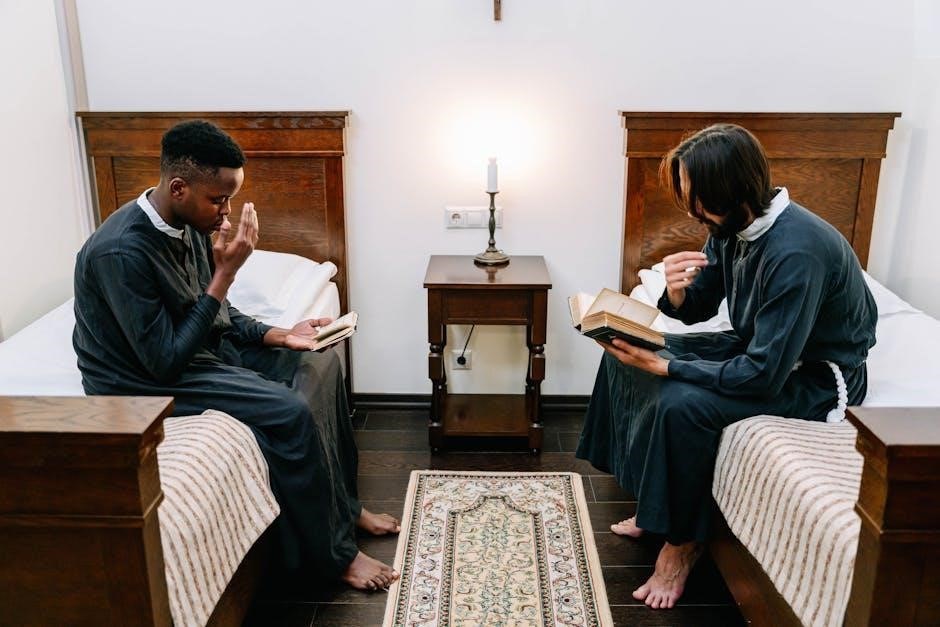
Disciplined prayer transforms us, shaping our character and deepening our faith․ It’s the engine room of the spiritual life, fueling our growth and empowering us to live a life pleasing to God․
Fellowship: Community and Support
Fellowship, or koinonia, signifies a deep sense of community and mutual support among believers․ It’s more than just social interaction; it’s a sharing of life, a vulnerability, and a commitment to one another’s spiritual growth․ Through fellowship, we experience the body of Christ in a tangible way, encouraging and strengthening each other․
This discipline combats isolation and fosters accountability, providing a safe space to confess sins, receive encouragement, and navigate life’s challenges together․ Authentic fellowship involves genuine connection, active listening, and a willingness to serve one another․
It’s within the context of community that we truly learn to love as Christ loves, extending grace and compassion to those around us․ Fellowship isn’t optional; it’s essential for a thriving spiritual life․
Confession: Acknowledging Sin and Receiving Forgiveness
Confession is a vital spiritual discipline, involving the honest acknowledgment of our sins before God and, often, before a trusted brother or sister in Christ․ It’s not merely admitting wrongdoing, but a turning away from sin and towards God’s grace․ This practice breaks the power of secrecy and shame, allowing for healing and restoration․
Through confession, we align ourselves with God’s truth and open ourselves to His forgiveness, which is freely offered through Jesus Christ․ It’s a humbling experience that cultivates dependence on God and fosters genuine repentance․
Confession isn’t about wallowing in guilt, but about receiving the cleansing power of God’s forgiveness and experiencing the joy of reconciliation․ It’s a pathway to freedom and spiritual growth․
Submission: Surrendering to God’s Will
Submission, as a spiritual discipline, signifies a deliberate yielding of our own desires, plans, and ambitions to the will of God․ It’s a profound act of trust, acknowledging His sovereignty and wisdom as infinitely greater than our own․ This isn’t passive resignation, but an active and ongoing choice to align our lives with His purpose․
True submission involves a willingness to relinquish control, even when it’s difficult or doesn’t make sense to us․ It requires humility, recognizing that God’s ways are higher than our ways․
Through submission, we experience a deeper sense of peace, freedom, and fulfillment, knowing that we are walking in accordance with God’s perfect plan for our lives․ It’s a cornerstone of a life fully devoted to Him․

Practical Application & Resources
Integrating these disciplines requires intentionality, starting small and building habits․ Resources like Dallas Willard’s work and mentorship can greatly aid this journey․
Integrating Disciplines into Daily Life
Successfully weaving spiritual disciplines into your everyday routine isn’t about grand gestures, but consistent, small steps․ Begin by selecting one or two disciplines that resonate with you – perhaps daily prayer or a short period of Scripture study․ Schedule these intentionally, treating them like important appointments․

Don’t aim for perfection; start with ten or fifteen minutes and gradually increase the duration as it becomes more natural․ Link a new discipline to an existing habit, like praying before your morning coffee or reading a psalm before bed․ Be realistic about your limitations and avoid overwhelming yourself․
Remember that integration is a process, not an event․ Expect setbacks and be gracious with yourself․ The goal isn’t to flawlessly execute each discipline, but to cultivate a heart oriented towards God throughout your day․ Consistency, even in small measures, yields significant spiritual growth over time․
Overcoming Obstacles to Spiritual Disciplines
Numerous hurdles can impede our pursuit of spiritual disciplines – busyness, distractions, lack of motivation, and feelings of inadequacy are common․ Recognize that these obstacles are normal and anticipate them․ Combat busyness by prioritizing disciplines and scheduling them deliberately, protecting that time fiercely․
Minimize distractions by creating a dedicated space for spiritual practice and silencing notifications․ When motivation wanes, remember the ultimate goal: cultivating a deeper relationship with Christ․ Focus on the joy of connecting with God, not on rigid adherence to rules․
Address feelings of inadequacy by embracing grace and acknowledging that spiritual growth is a lifelong journey․ Find an accountability partner for encouragement and support․ Don’t give up after setbacks; simply recommit and start again․ Remember the Holy Spirit empowers us to overcome these challenges․
Recommended Reading: Dallas Willard’s “Spiritual Formation”

Dallas Willard’s “Spiritual Formation” is a seminal work exploring the intentional practices that cultivate Christ-likeness․ This book profoundly impacted modern understanding of spiritual disciplines, moving beyond mere religious duty to a holistic transformation of the heart and mind․ Willard meticulously outlines both disciplines of abstinence – solitude, silence, fasting – and engagement – worship, service, celebration․
He emphasizes that these aren’t techniques for earning God’s favor, but rather ways of opening ourselves to His grace and allowing the Holy Spirit to shape us into the image of Christ․
“Spiritual Formation” challenges readers to actively participate in their spiritual growth, offering practical guidance and a compelling vision for a life lived in intimate communion with God․ It’s a foundational text for anyone seeking a deeper, more vibrant faith․
Finding a Spiritual Mentor
Embarking on a journey of spiritual disciplines is greatly enhanced by the guidance of a seasoned mentor․ A spiritual mentor isn’t simply someone with more theological knowledge, but a fellow believer demonstrating a life actively shaped by Christ through consistent practice․ They offer accountability, encouragement, and discerning wisdom as you navigate challenges and celebrate victories․
Look for someone who embodies the disciplines themselves – prayer, study, service – and who possesses a genuine desire to see you grow in faith․
A mentor can help you identify areas for development, provide personalized guidance, and offer a safe space to explore doubts and questions․ Their lived experience and spiritual maturity can be invaluable as you strive to form Christ within you․
The Role of the Holy Spirit in Spiritual Disciplines
Spiritual disciplines are not merely human efforts; they are channels through which the Holy Spirit works to cultivate Christ-likeness within us․ While intentional practice is vital, it’s the Spirit who empowers us to embrace these disciplines and transforms us through them․ The disciplines themselves don’t create spirituality, but rather create space for the Spirit to do His work․

We must remember that our efforts, however sincere, are insufficient without the Spirit’s enabling grace․ He is the one who stirs within us a desire for God, convicts us of sin, and guides us into truth․
Therefore, approaching spiritual disciplines with a posture of dependence on the Holy Spirit is crucial․ Pray for His guidance, seek His power, and trust that He will use these practices to shape us into the image of Christ․