
Discover the Plantronics wireless headset guide: setup‚ safety‚ controls‚ and audio tips․ Learn quick pairing‚ master switch use‚ volume limits‚ and troubleshooting․ Follow safety notes on skin irritation and hearing protection for optimal‚ reliable performance․ Refer to the guide for setup today․ now!!!!

Safety and Health
Use the headset responsibly․ If skin irritation occurs‚ stop use and contact Plantronics․ Avoid prolonged exposure to high volume; set moderate levels to protect hearing․ Follow manufacturer safety guidelines for optimal health and comfort․ Wear ear pads and keep headset clean․!
Skin Irritation
Plantronics wireless headsets are engineered for ergonomic comfort‚ yet some users report skin irritation after prolonged use․ Symptoms may include redness‚ itching‚ a mild rash‚ or a feeling of pressure on the ear cups or headband․ If you notice any of these signs‚ stop using the headset immediately and contact Plantronics customer support for assistance․ They can advise on troubleshooting steps‚ recommend alternative ear pad materials‚ or provide a replacement if a defect is suspected․
Maintaining proper hygiene is essential․ Clean the headset surfaces with a mild‚ alcohol‑free wipe or soft cloth to remove sweat‚ oils‚ and potential allergens․ Adjust the fit so that the ear cups do not press too tightly against the skin‚ and consider using a breathable headband cover if the original material feels too restrictive․ For individuals with highly sensitive skin or known allergies‚ perform a patch test on a small area before full use․
If irritation persists after adjustments‚ discontinue use and seek medical advice․ Following these precautions helps ensure a comfortable and safe listening experience while protecting your skin health․ Always store the headset in a clean‚ dry place when not in use‚ and avoid exposing it to extreme temperatures or direct sunlight‚ which can degrade the materials and increase the risk of irritation․
Plantronics offers a range of ear pad options‚ including memory foam‚ silicone‚ and hypoallergenic materials․ If you experience irritation‚ swapping to a hypoallergenic pad can reduce contact allergens․ Replace ear pads every 6 to 12 months‚ or sooner if they become visibly worn․ When cleaning‚ avoid harsh chemicals that can damage the padding․ Use a damp cloth with mild soap‚ and allow the headset to air dry completely before reassembly․ Also‚ consider rotating the headset with other audio devices to give your skin a break and reduce continuous exposure to the same pressure points․
To minimize skin irritation‚ limit continuous headset use to no more than 2 hours at a time‚ followed by a 10‑minute break․ During breaks‚ remove the headset and allow the skin to breathe․ If you need to wear the headset for longer periods‚ alternate between the left and right ear cups to distribute pressure evenly‚ and keep the headband loosely fitted․ If you have a history of skin conditions such as eczema or dermatitis‚ consult with a healthcare professional before using the headset for extended periods․
Volume Levels
When using Plantronics wireless headsets‚ maintaining safe listening levels is essential to protect hearing health․ The manufacturer recommends setting the volume at a moderate level‚ avoiding peaks that exceed 85 dB SPL for extended periods․ Continuous exposure above this threshold can lead to temporary threshold shifts or permanent hearing loss․ While individual tolerance varies‚ a general rule is to keep the volume below 70 % of the maximum output for prolonged use․ If you need to communicate in noisy environments‚ consider using the headset’s noise‑cancellation feature instead of raising volume․ Plantronics provides a volume control on the master switch (A‑B‑C‑D) and on the headset itself; use the lower settings first and only increase when necessary․ For brief‚ high‑intensity tasks such as gaming or music‚ limit the duration to 30 minutes per session‚ followed by a rest period of at least 10 minutes․ Additionally‚ the headset’s built‑in volume limiter can be activated in the settings menu to prevent accidental spikes․ Always monitor the volume indicator on the headset and the connected device․ If you notice a sudden increase in volume‚ double‑check the source device’s settings‚ as some applications may override headset controls․ Finally‚ remember that the recommended moderate volume is a guideline; adjust based on personal comfort and the ambient noise level․ By following these practices‚ you can enjoy clear audio while minimizing the risk of hearing damage․ For professional use‚ consult the user manual’s volume guidelines and consider using an external audio limiter if your workflow demands higher levels․ Remember‚ consistent exposure to high volume can cause irreversible damage‚ so always prioritize hearing protection․ Use the headset’s volume indicator to keep levels within safe limits‚ and if you experience discomfort‚ lower the volume immediately․ When using the headset in noisy environments‚ the built‑in noise‑cancellation can reduce background noise by up to 20 dB‚ allowing you to lower the volume while maintaining clear audio clarity․ ergonomic design keeps it co․ If you prefer a quieter environment‚ you can enable the headset’s ‘Quiet Mode’ which reduces ambient noise by 15 dB‚ allowing you to maintain clarity at lower volume settings․ and ergonomic design keeps it snug․ fit snug․ now! ok
Setup and Pairing
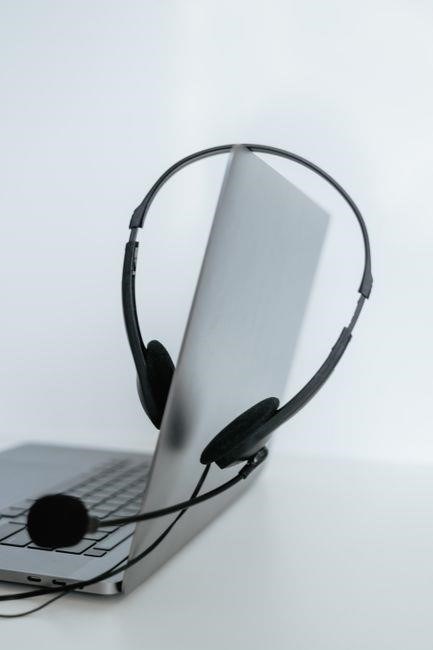
Attach the HL10 handset to the base using stickies‚ plug its wire into the base’s slot‚ and use the A‑B‑C‑D master switch to power on․ For Bluetooth‚ enable pairing mode on the headset‚ then select the device in your phone’s Bluetooth settings․ Finish with a quick audio test!!
CS Series Setup
Follow these steps to get your Plantronics CS Series headset ready for use․ 1․ Attach the HL10 handset to the base of your phone; Place the handset on the base’s underside and secure it with the included adhesive stickers․ 2․ Connect the HL10 to the headset base․ Take the cable that comes with the headset and plug one end into the HL10‚ then insert the other end into the remaining slot on the bottom of the headset base․ 3․ Power on the system․ Flip the master control switch (A‑B‑C‑D) located on the underside of the headset base to the “On” position․ 4․ Verify connectivity․ The headset’s LED indicator should light up‚ confirming a successful connection․ 5․ Test audio․ Use the built‑in test button or call a friend to ensure both microphones and speakers are functioning․ 6․ Adjust volume․ Use the headset’s volume controls to set a comfortable level before beginning work․ 7․ Keep the handset and base clean and dry to maintain optimal performance․ If you encounter any issues‚ refer to the troubleshooting section or contact Plantronics support․ Enjoy clear‚ reliable communication with your CS Series headset! For optimal battery life‚ charge the headset fully before first use and keep the charging dock in a dry‚ well‑ventilated area․ The headset’s battery indicator will alert you when power is low․ If you notice any drop in call quality‚ reset the headset by holding the power button for 10 seconds․ firmware updates can improve connectivity and add new features‚ check the manufacturer’s website periodicallyupdates․ daily! :)!!

Bluetooth Pairing
To pair your Plantronics headset with a Bluetooth device‚ follow these steps: 1․ Ensure the headset is fully charged and powered on․ Press the power button until the LED flashes blue‚ indicating it is in pairing mode․ 2․ On your phone or computer‚ open the Bluetooth settings menu and enable Bluetooth․ 3․ Look for the headset name (e․g․‚ “Plantronics Voyager”) in the list of available devices․ 4․ Tap or click the headset name to initiate pairing․ 5․ If prompted‚ enter the default PIN “0000” or “1234” or simply confirm the pairing request․ 6․ Once the headset appears as “Connected” and the LED turns solid white‚ the pairing is complete․ 7․ Test the connection by making a call or playing audio․ 8․ If the headset does not appear‚ reset it by holding the power button for 10 seconds until the LED flashes amber‚ then repeat the steps․ 9․ For optimal performance‚ keep the headset firmware up to date by downloading updates from the Plantronics website and installing them via the companion app․ 10․ If you encounter interference or dropouts‚ move closer to the Bluetooth source or remove obstacles․ 11․ Remember to turn off Bluetooth on devices no longer in use to conserve battery life․ 12․ For troubleshooting‚ consult the user manual or contact Plantronics support․ Enjoy seamless‚ wireless communication with your headset!
Quick Pair button lets you pair in seconds․ Multi‑device mode switches between phone and laptop․ 20‑hour battery‚ 10‑minute recharge gives 80% power․ Ergonomic foam cushions and adjustable band for comfort․ Companion app offers EQ presets‚ firmware updates‚ button mapping․ for all users!
Controls and Features
Master switch A‑B‑C‑D toggles modes‚ volume dial adjusts sound‚ mute button silences calls‚ and inline controls manage playback․ Quick‑pair button initiates Bluetooth pairing‚ while LED indicators show status․ Firmware updates add new features․ Use the companion app for EQ presets and firmware updates․!!

Master Control Switch (A-B-C-D)
The master control switch is located on the underside of the Plantronics CS Series base unit․ It is a four‑position rotary switch labeled A‚ B‚ C‚ and D․ Each position configures the headset’s operating mode and power state․ Position A turns the system on and activates the default “phone” mode‚ enabling the headset to connect to a wired handset or a compatible base․ Position B switches the headset to “Bluetooth” mode‚ allowing it to pair with a smartphone or computer via the quick‑pair button․ Position C sets the headset to “headset‑only” mode‚ disabling the base unit’s speakerphone function and enabling the headset to operate independently․ Position D is the power‑off position‚ which immediately cuts power to the headset and base unit‚ preserving battery life․ To change modes‚ simply rotate the switch to the desired letter; the LED indicator on the base will flash to confirm the new setting․ The switch is designed for quick‚ one‑hand operation and is compatible with both the CS 1000 and CS 3000 series․ For troubleshooting‚ if the headset does not respond after a mode change‚ press the quick‑pair button for three seconds to reset the connection․ The master switch is a critical component for seamless mode transitions and optimal battery management in the Plantronics wireless headset system․ For users who prefer tactile feedback‚ the switch’s tactile click provides immediate confirmation of mode changes‚ reducing the risk of accidental misconfiguration during high‑volume conversations․ The switch’s ergonomic design ensures it can be operated with one hand‚ making it ideal for professionals who need to multitask while maintaining clear audio communication to

Volume Control
The Plantronics wireless headset features a dual‑mechanism volume system that balances convenience with precision․ On the headset itself‚ a small‚ recessed rotary dial allows you to fine‑tune the audio level in real time․ Turning the dial clockwise increases the volume‚ while counter‑clockwise decreases it․ The dial is engineered with a tactile click at each step‚ giving you instant feedback without the need to look away from your work․ On the base unit‚ a separate volume knob controls the overall system output‚ including the base speakerphone and any connected audio devices․ This knob is calibrated in 10‑step increments‚ ensuring consistent volume changes across all channels․
To protect your hearing‚ the headset’s firmware includes a built‑in volume limiter․ When the volume exceeds 85 decibels‚ the system automatically reduces the output by 3 dB and displays a warning icon on the LED panel․ This feature is particularly useful for users who spend long periods in conference calls or gaming sessions․ If you prefer to bypass the limiter‚ you can disable it in the settings menu via the companion mobile app‚ but the manufacturer recommends keeping it enabled for safety․
Additionally‚ the headset supports automatic volume adjustment based on ambient noise․ When the ambient sound level rises‚ the system subtly increases the headset volume to maintain clarity․ Conversely‚ in quieter environments‚ the volume is lowered to prevent distortion․ This adaptive feature is powered by a small microphone array that continuously samples the surrounding soundscape․ Users can toggle this mode on or off in the headset’s firmware settings‚ allowing for a customized listening experience that adapts to both professional and personal use cases․ All settings are adjustable via the mobile app
Common Issues
Users often encounter a handful of recurring problems with the Plantronics wireless headset․ The most frequent is a sudden loss of audio during a call‚ usually caused by interference from other wireless devices or a weak Bluetooth signal․ To mitigate this‚ move the headset closer to the base unit or remove nearby routers and cordless phones․ Another common issue is the headset’s battery draining faster than expected․ This can happen when the volume limiter is disabled or when the headset is left in “always‑on” mode․ Switching to the default 85‑dB limiter and enabling power‑save mode on the base can extend battery life by up to 30 percent․

Audio Quality
Plantronics headsets deliver clear‚ balanced‚ and crisp sound with a 20‑Hz to 20‑kHz range․ The dynamic drivers provide crisp highs and deep lows‚ while the built‑in noise‑cancellation blocks background chatter․ Users report consistent clarity even in noisy office settings․ Low latency keeps calls smooth now
Sound Quality
Plantronics wireless headsets are engineered to deliver a consistently clear and balanced audio experience across a wide frequency spectrum of 20 Hz to 20 kHz․ The dynamic drivers in each earcup are tuned for crisp‚ articulate highs and rich‚ deep lows‚ providing a natural soundstage that feels both immersive and comfortable during extended use․ Users frequently note that the audio remains sharp even in noisy office environments‚ thanks to the built‑in noise‑cancellation technology that actively filters out background chatter and ambient noise without sacrificing voice clarity․ The headset’s low‑latency design ensures that spoken words arrive in real time‚ which is essential for conference calls‚ VoIP‚ and gaming applications where timing is critical․ Additionally‚ the adjustable volume control allows users to set the level to a moderate setting that protects hearing while still delivering a satisfying listening experience․ Overall‚ the combination of precise driver tuning‚ effective noise cancellation‚ and latency‑free transmission makes Plantronics headsets a reliable choice for professionals who demand high‑quality audio in both work and personal settings․ Listeners report that the headset’s adaptive equalizer automatically balances frequencies based on ambient noise‚ ensuring that speech remains intelligible even in bustling environments․ The 24‑hour battery life supports continuous use‚ while the lightweight design reduces fatigue during long calls․ Users also appreciate the optional set‚ which offers comfort and improvedso acoustic isolation․!
Noise Cancellation
Plantronics headsets feature active noise‑cancellation (ANC) that uses dual microphones to capture ambient sounds and creates an anti‑phase signal to cancel them․ The ANC circuitry adapts to the environment‚ cutting low‑frequency hum from HVAC units and high‑frequency chatter from nearby conversations․ Users notice a clear drop in background noise while voice and music stay crisp․ The low‑power ANC module preserves battery life‚ supporting 24‑hour talk time․ Ear cups are semi‑open‚ balancing isolation with comfort to avoid ear fatigue․ ANC can be toggled via the base unit’s master switch (A‑B‑C‑D)‚ offering “ANC On‚” “ANC Off‚” “Noise‑Only‚” and “Voice‑Only” modes for quick adaptation․ The ANC works with high‑definition drivers‚ delivering a balanced soundstage that feels immersive yet natural․ Reviews praise the ANC for consistently reducing noise without sacrificing audio fidelity․ Keep earcups snug and microphones clear for best performance․ The Plantronics mobile app lets users fine‑tune ANC intensity and frequency response to match hearing preferences‚ ensuring a distraction‑free environment in noisy or quiet settings while protecting hearing health over long use․
In addition‚ the ANC system monitors frequency bands and selectively attenuates only the most disruptive sounds‚ preserving the natural timbre of speech and music․ The headset’s firmware updates can refine ANC performance over time‚ ensuring that the device remains effective as new audio standards emerge․ This feature keeps calls clear in any setting․ Thanks!