Overview of Guided Appalachian Trail Hikes
Guided Appalachian Trail hikes offer structured experiences‚ from two‑day backpacking tours by Terrapin Adventures to multi‑state trips with Wildland Trekking. They combine scenic sections—Blue Ridge‚ Skyline Drive‚ Great Smoky Mountains with expert guidance‚ safety protocols‚ and local permits. 2026.More
Popular Guided Trail Sections
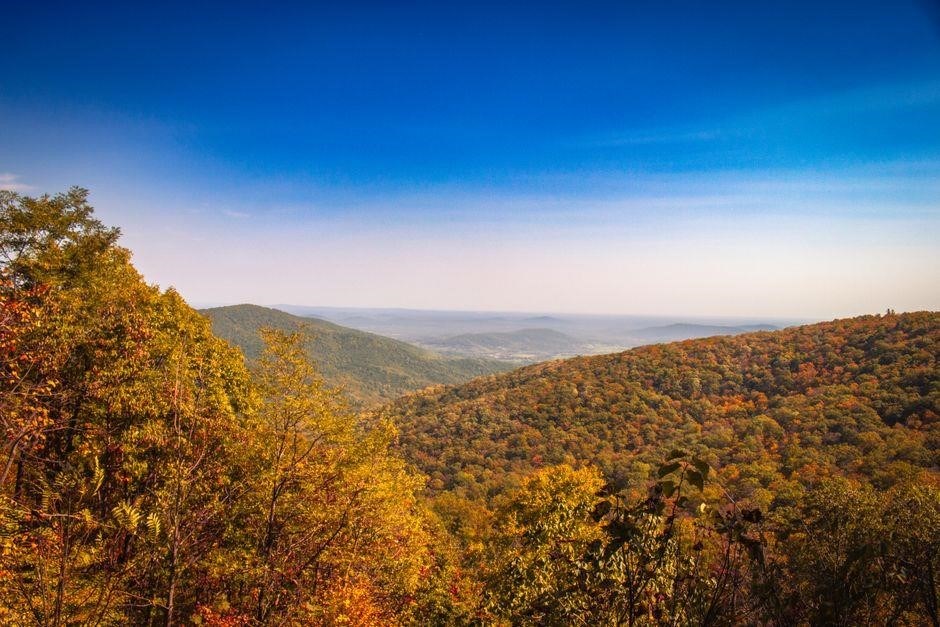
For those seeking a taste of the AT without committing to the full 2‚200‑mile trek‚ several iconic segments have become favorites among guided‑tour groups. The Blue Ridge corridor‚ running through Virginia’s Shenandoah National Park‚ offers a relatively gentle ascent with panoramic vistas of the Blue Ridge Mountains and the Shenandoah Valley. Guides often pause at Big Meadows Lodge‚ where hikers can observe black bears‚ white‑tailed deer‚ and other wildlife in a protected setting. The trail’s proximity to Skyline Drive provides convenient access and a chance to explore side‑trails that weave through the park’s diverse ecosystems.
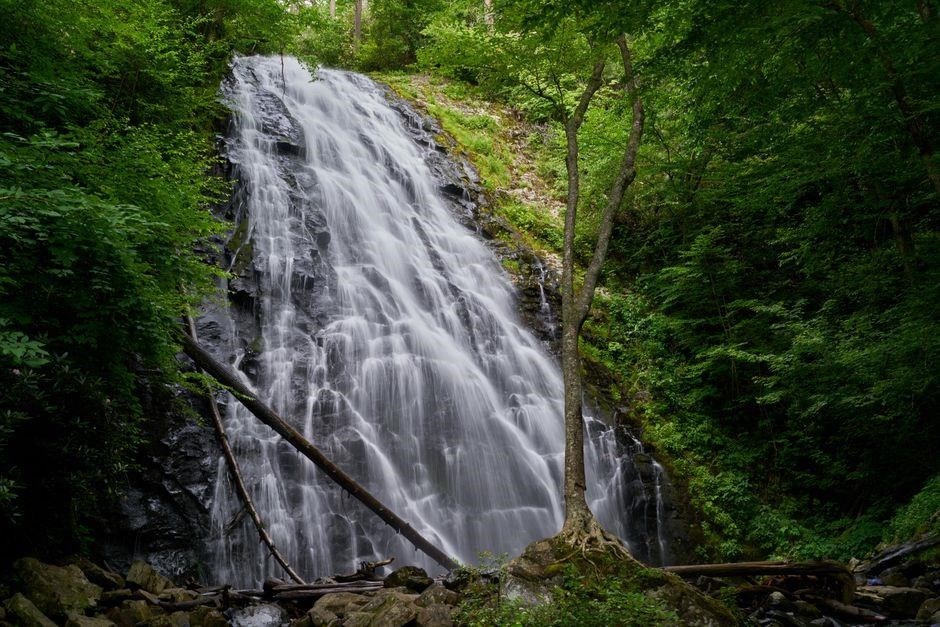
In the south‚ the Great Smoky Mountains section attracts groups with its lush‚ mist‑shrouded ridges and abundant flora. Wildland Trekking’s guided hikes in this region highlight the trail’s historic stone walls‚ cascading waterfalls‚ and the chance to spot elk and black bears in their natural habitat. The Smoky Mountains’ cooler temperatures and dense canopy make it an ideal destination for early‑season or fall trips.
On the eastern end‚ the New Hampshire segment near the White Mountains presents hikers with granite peaks meadows. Guided tours here emphasize the trail’s rugged terrain‚ including the famous Mount Washington corridor‚ and the opportunity to traverse the AT’s highest peak in the northeastern United States. These sections are often chosen for their blend of accessibility and the opportunity to experience the AT’s diverse landscapes within a timeframe.
Key Guided Tour Operators
Terrapin Adventures‚ based in Maryland‚ offers a range of two‑day backpacking excursions that traverse the Appalachian Trail’s most scenic stretches. Their itineraries include the Blue Ridge section‚ where hikers can experience gentle climbs‚ abundant wildlife‚ and historic stone walls. The company emphasizes safety with certified guides‚ pre‑trip briefings‚ and emergency protocols that align with National Park Service regulations. Terrapin’s 2026 schedule features a 14‑mile segment near Shenandoah National Park‚ complete with overnight stays at Big Meadows Lodge and optional side‑trails. Groups typically range from 4 to 12 hikers‚ and the company supplies essential gear such as trekking poles and first‑aid kits.
Wildland Trekking‚ headquartered in North Carolina‚ offers multi‑state guided hikes through the Great Smoky Mountains‚ Blue Ridge‚ and White Mountains. Their tours combine day hikes and multi‑day backpacking‚ led by certified guides who provide route maps and weather updates. In 2026‚ they launched a “Smoky Summit” series focusing on the trail’s highest peaks. The guides also offer cultural briefings on local flora and fauna‚ and the company partners with regional conservation groups to minimize environmental impact.
Other notable operators include Appalachian Trail Guides of Maine‚ which offers winter guided hikes in the northernmost section. Each operator tailors its programs to the trail’s varied terrain‚ ensuring participants receive expert instruction‚ logistical support‚ and a memorable experience on the AT. Additionally‚ the Maine operator collaborates with local lodges to provide lodging options and regional trail knowledge‚ enhancing the overall experience.
Seasonal Planning and Weather Considerations
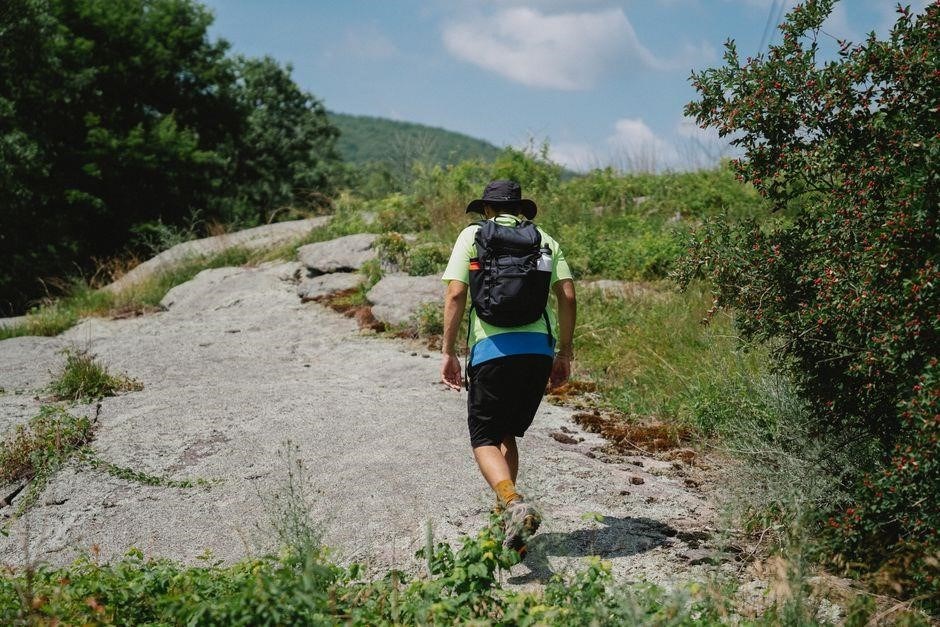
Planning a guided Appalachian Trail hike requires careful attention to seasonal weather patterns that vary dramatically from the southern terminus in Georgia to the northern end in Maine. In spring (March‑May)‚ temperatures are mild but showers are frequent‚ especially in the Great Smoky Mountains where cloud cover can linger. Guides recommend waterproof gear‚ layered clothing‚ and rain‑proof tents for multi‑day trips. Summer (June‑August) brings hot‚ humid conditions in the southern sections and cooler‚ misty mornings in the northern states; early start times and shaded routes are advised to avoid heat exhaustion. Fall (September‑November) offers crisp‚ dry air and spectacular foliage‚ but sudden temperature drops can occur overnight‚ so insulated sleeping bags are essential. Winter (December‑February) is reserved for experienced hikers in the northern AT; snow‚ ice‚ and sub‑freezing temperatures demand specialized gear such as crampons‚ ice axes‚ and high‑quality boots. All operators provide daily weather briefings and adjust itineraries accordingly‚ ensuring safety while maximizing trail enjoyment.
Altitude influences weather; every 1‚000 feet gained can lower temperature by 3.5°F and raise wind speeds. Guides recommend acclimatization hikes before longer sections‚ especially in the Blue Ridge and White Mountains. Summer storms from the Gulf can bring heavy rain and lightning‚ while late‑fall nor’easters may bring snow to the northern trail. Real‑time satellite updates and National Weather Service alerts help guides adjust routes on the fly. Hikers should carry a portable weather radio‚ a headlamp with extra batteries‚ and a waterproof map. Trail microclimates—shaded ravines versus exposed ridges—demand flexible packing lists and adaptive planning.
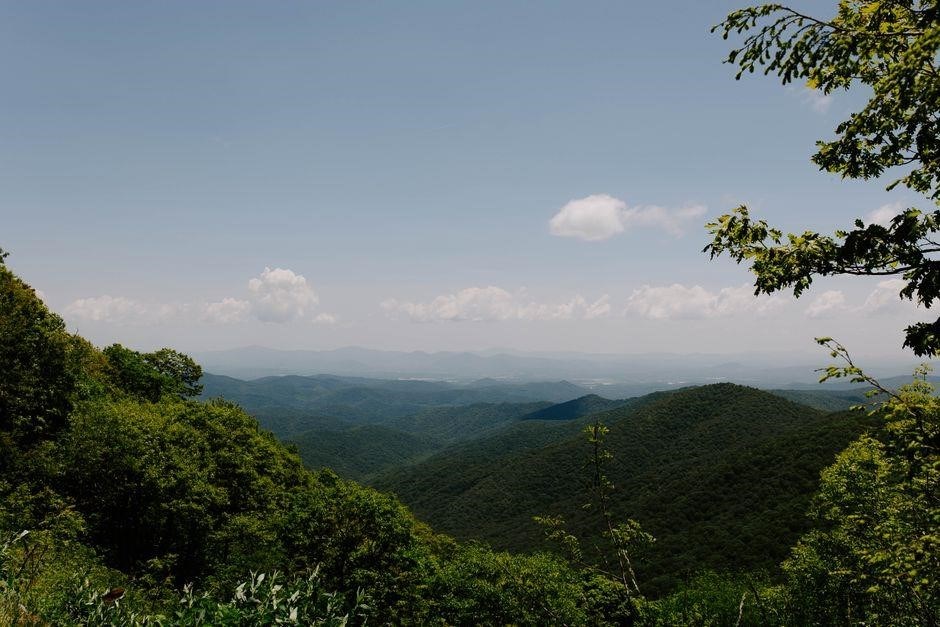
Ultimately‚ successful guided hikes hinge on aligning the chosen season with the hikers’ fitness level‚ gear readiness‚ and the operator’s expertise. By staying informed about weather forecasts‚ understanding trail microclimates‚ and following the guide’s recommendations‚ participants can enjoy a safe and memorable Appalachian Trail adventure. These preparations are essential for a safe‚ enjoyable journey.
Permits‚ Regulations‚ and Safety Protocols
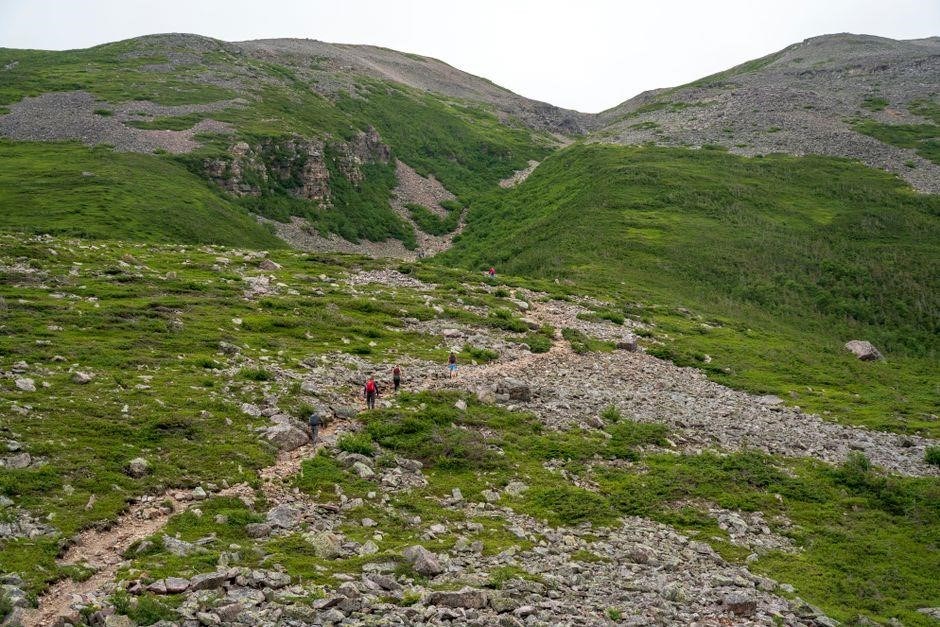
Guided Appalachian Trail excursions are governed by a network of federal‚ state‚ and local regulations that protect both hikers and the environment. Every operator must secure the appropriate wilderness permits before departure‚ including the National Park Service permit for Shenandoah National Park‚ the Great Smoky Mountains National Park permit‚ and the Maine Appalachian Trail Land Trust winter permit for northern sections. These permits are issued through the trail’s official website and often require a fee‚ a reservation window‚ and proof of group size. Operators also obtain special use permits for backcountry campsites‚ such as the “Backcountry Camping Permit” in the Great Smoky Mountains‚ which limits the number of groups per day and enforces a 14‑day stay restriction. The application process typically requires a 30‑day advance submission‚ confirmation of group composition‚ and payment of a nominal fee. Failure to obtain the correct permits can result in fines or forced removal from the trail. All permits are valid for a specific date range; operators must verify expiration before each trip.
Regulatory compliance extends to Leave‑No‑Trace principles‚ strict no‑pet policies‚ and mandatory use of designated fire rings. Trail authorities mandate that all groups carry a fully stocked first‑aid kit‚ bear‑spray containers‚ and a communication device. Guides conduct a pre‑hike safety briefing covering route hazards‚ weather alerts‚ and emergency evacuation procedures. In the event of a medical emergency‚ operators coordinate with the U.S. Forest Service’s Incident Management System‚ ensuring rapid response and transport to the nearest ranger station. Additionally‚ all hikers must sign a liability waiver acknowledging the inherent risks of backcountry travel. Operators also provide daily weather updates via satellite radio‚ ensuring that hikers can adjust their pace and shelter plans in real time.
By adhering to these permits‚ regulations‚ and safety protocols‚ guided hikes maintain the trail’s integrity while safeguarding participants. The collaborative effort between operators‚ hikers‚ and federal agencies ensures that the Appalachian Trail remains a protected corridor for generations to come.
Recommended Gear and Packing Essentials
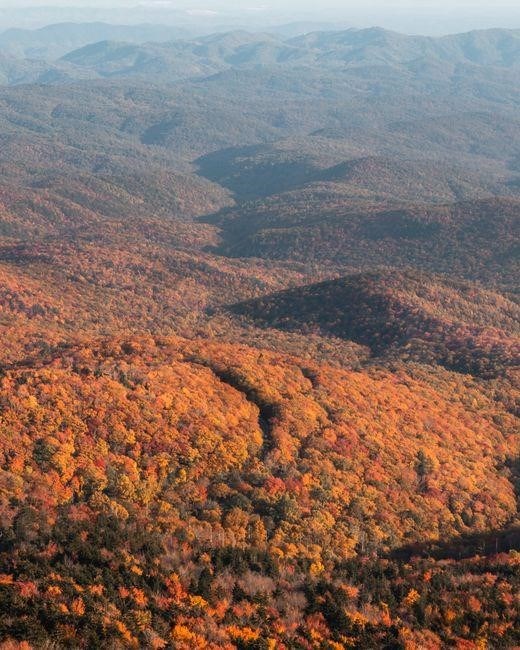
Guided Appalachian Trail hikes demand a well‑structured gear list that balances weight‚ durability‚ and safety. Every participant should carry a 50‑liter pack rated for 2‑3 day trips‚ fitted with a frame‚ padded shoulder straps‚ and a sternum strap for even weight distribution. A high‑quality‚ breathable shell jacket and insulated mid‑layer are essential for temperature fluctuations‚ while moisture‑wicking base layers keep skin dry. Trail‑rated hiking boots (minimum 8‑inch ankle support) with a good tread‚ pre‑broken in and waterproofed‚ protect against wet rocks and mud. A lightweight‚ packable rain cover protects gear during sudden showers.
Hydration is critical: a 2‑liter hydration bladder or two 1‑liter bottles‚ paired with a CamelBak or similar system‚ ensures continuous water intake. A portable water filter (e.g.‚ Sawyer Mini or LifeStraw) or iodine tablets allow safe drinking from streams. Navigation tools include a topographic map‚ a compass‚ and a GPS device with pre‑loaded trail data; a small‚ durable phone with a power bank is a useful backup. A headlamp with extra batteries and a reliable flashlight provide illumination for night stops.
Cooking and nutrition rely on a compact stove (e.g.‚ Jetboil or MSR PocketRocket)‚ a lightweight pot‚ and a collapsible bowl. Non‑perishable‚ high‑calorie foods such as dehydrated meals‚ nuts‚ dried fruit‚ and energy bars supply the necessary fuel. A small‚ insulated cooler or a packable ice pack keeps perishables fresh for the first day. A sturdy‚ lightweight tent or hammock with a rainfly‚ a sleeping bag rated to 20°F‚ and a sleeping pad offer comfortable shelter.
Safety gear includes a first‑aid kit‚ a multi‑tool‚ a whistle‚ a bear‑spray canister‚ and a firestarter kit. A trekking pole or two reduces joint stress on uneven terrain. A small‚ durable backpacking knife or a fixed‑blade knife is useful for food prep and gear maintenance. Finally‚ a weather‑proof‚ padded daypack holds extra supplies‚ such as a spare pair of socks‚ a rain jacket‚ and a quick‑dry towel.
All gear should be inspected before departure‚ and a spare pack of essentials—extra socks‚ a spare shoe‚ and a small repair kit—keeps hikers prepared for unforeseen circumstances.
Transportation and Access Points
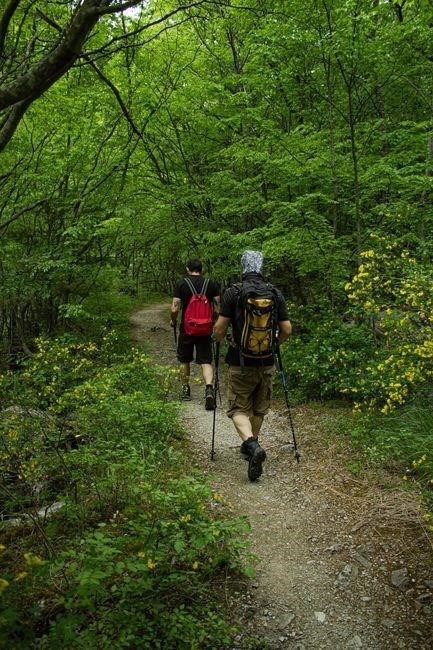
Guided hikes start at key trailheads: Blue Ridge Parkway’s Big Meadows‚ Skyline Drive’s Luray‚ Great Smoky’s Cades Cove‚ and the Maryland‑DC corridor near Harpers Ferry. Local shuttles‚ rental cars‚ and public transit connect hikers to these access points. Hikers can use Amtrak’s Adirondack or localbuses
Blue Ridge Parkway & Skyline Drive
Guided hikes along the Blue Ridge Parkway and Skyline Drive offer a gentle introduction to the Appalachian Trail’s iconic scenery. The trail section that parallels Skyline Drive in Shenandoah National Park is renowned for its panoramic views of the Blue Ridge Mountains and the Shenandoah Valley. Hikers can pause at Big Meadows Lodge‚ where overnight hut accommodations and nearby shops provide convenience for beginners. Wildlife sightings are common‚ with black bears‚ white‑tailed deer‚ and a variety of songbirds enriching the experience. The route’s moderate elevation gain and well‑maintained paths make it an ideal choice for those seeking a manageable yet rewarding section. Additional side‑trails branch off‚ allowing for optional detours and extended exploration. Guided tours‚ such as those offered by Terrapin Adventures‚ cover this segment‚ providing expert navigation‚ safety briefings‚ and logistical support. These programs emphasize sustainable trail use‚ ensuring that hikers respect the park’s natural resources while enjoying the breathtaking vistas that define the Blue Ridge and Skyline Drive corridor.
Guided hikes are typically organized by local outfitters‚ offering 2‑day‚ 3‑day‚ or week‑long excursions. Participants receive daily briefings‚ trail maps‚ and safety gear. Many tours incorporate overnight stays at Big Meadows Lodge or nearby cabins‚ allowing hikers to rest before continuing. The guides emphasize Leave‑No‑Trace principles and provide insights into the region’s flora‚ fauna‚ and geology.today!
Great Smoky Mountains
Guided hikes in the Great Smoky Mountains provide an immersive experience of the Appalachian Trail’s most biodiverse corridor. Wildland Trekking offers trips that weave through the park’s rugged terrain‚ showcasing ancient spruce‑fir forests‚ mist‑shrouded ridges‚ and cascading waterfalls. Hikers encounter a rich array of wildlife‚ from black bears and elk to numerous bird species‚ while the guides share insights into the region’s ecological significance and conservation efforts. The trail sections in this area are characterized by moderate to steep ascents‚ requiring reliable footwear and a solid fitness base. Guided tours typically range from 2‑day to 4‑day excursions‚ with overnight stays in park cabins or designated backcountry shelters. Participants receive daily briefings on weather patterns‚ trail conditions‚ and safety protocols‚ ensuring a secure and educational adventure. The guides emphasize Leave‑No‑Trace principles‚ encouraging hikers to minimize impact while enjoying the pristine wilderness. Whether exploring the iconic Clingmans Dome loop or venturing into lesser‑known backcountry routes‚ these guided experiences allow travelers to appreciate the Smokies’ unique blend of natural beauty‚ cultural history‚ and outdoor challenge. These guided excursions not only provide logistical support and safety oversight but also foster a sense of community among hikers‚ encouraging knowledge sharing about trail etiquette‚ wildlife observation‚ and sustainable practices that help preserve the Smokies for future generations. Participants learn read trail markers‚ interpret weather‚ and practice first aid‚ building confidence for the trek daily.
Terrapin Adventures
Terrapin Adventures specializes in short‑duration‚ guided backpacking experiences along the Appalachian Trail’s eastern corridor. Their flagship program is a two‑day‚ one‑night trek that begins in the rolling foothills of Maryland‚ passes through scenic Baltimore suburbs‚ and culminates in the historic Washington‚ D.C. area. Each itinerary is carefully curated to balance scenic highlights with manageable daily distances‚ typically ranging from 12 to 18 miles. Guides provide expert instruction on navigation‚ trail etiquette‚ and wilderness survival‚ ensuring that participants of all skill levels can safely enjoy the trail’s natural beauty. The company emphasizes safety by offering comprehensive pre‑trip briefings‚ on‑trail first‑aid training‚ and real‑time weather updates. Participants also receive a detailed packing list‚ recommended gear‚ and a map of the trail segment. Terrapin Adventures’ commitment to Leave‑No‑Trace principles is evident in their use of designated campsites and strict waste‑management protocols. The company’s local partnerships with park rangers and conservation groups help maintain trail integrity while offering hikers unique opportunities to learn about regional flora‚ fauna‚ and cultural history. Whether you’re a seasoned hiker looking to test your limits or a novice eager to experience the Appalachian Trail’s charm‚ Terrapin Adventures delivers a professionally guided‚ logistically seamless adventure that showcases the best of Maryland‚ Baltimore‚ and Washington‚ D.C.’s trail network.
To book a trip‚ hikers can call Terrapin Adventures at 301‑725‑1313 or visit their website for online reservations. The company offers flexible scheduling‚ with trips available year‑round‚ though peak season runs from late spring through early fall; Additional services include guided wildlife observation‚ photography workshops‚ and post‑trip debrief sessions that highlight key learning points and personal reflections. Terrapin Adventures also provides a complimentary gear check service‚ allowing guests to return used equipment and receive a discount on future trips. Their dedication to fostering a supportive community is reflected in post‑trip social media groups where hikers can share photos‚ trail stories‚ and tips for future adventures. By integrating educational workshops on local ecosystems‚ the company ensures that every hike contributes to a broader understanding of Appalachian environmental stewardship.
Wildland Trekking
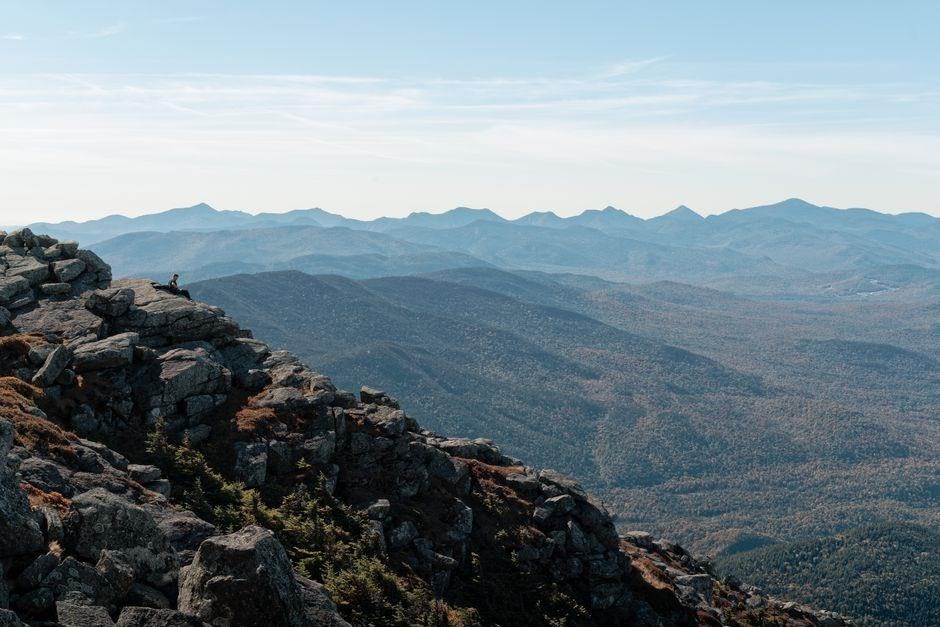
Wildland Trekking offers immersive‚ guided Appalachian Trail experiences across North Carolina‚ Tennessee‚ and New Hampshire. Their itineraries range from short‚ 2‑day excursions to multi‑week backpacking adventures‚ each designed to showcase the trail’s diverse ecosystems—from spruce‑balsam forests in the Smokies to granite ridges in the White Mountains. Guides‚ many of whom hold Certified Wilderness Guide credentials‚ provide expert navigation‚ safety instruction‚ and environmental education. Hikers receive a comprehensive pre‑trip briefing that covers gear selection‚ Leave‑No‑Trace principles‚ and local wildlife awareness. The company emphasizes safety by equipping each group with GPS units‚ first‑aid kits‚ and real‑time weather monitoring. Campsites are pre‑selected to minimize impact‚ and all waste is packed out. Wildland Trekking also partners with regional conservation agencies to offer guided interpretive walks that highlight geological formations‚ rare plant species‚ and historical sites. Their “Backcountry Basics” workshops teach skills such as map reading‚ compass use‚ and fire‑building techniques. Participants can choose from themed trips—“Bear‑watching in the Smokies‚” “High‑Alpine Summit Quest‚” or “Historic Trail Passage”—each with a unique focus. The company’s booking platform allows flexible scheduling‚ and they offer group discounts for schools‚ scout troops‚ and corporate teams. Post‑trip debriefs and photo galleries help hikers reflect on their journey and share insights with the broader community. Wildland Trekking’s commitment to sustainable tourism ensures that every guided hike contributes to trail preservation and local economies. Whether you’re a seasoned backpacker or a first‑time hiker‚ Wildland Trekking’s guided trips provide the structure‚ support‚ and knowledge needed to safely explore the Appalachian Trail’s most iconic sections while fostering a deeper appreciation for the natural world. All itineraries are fully insured‚ and the company offers optional add‑ons such as guided photography‚ wildlife tracking‚ and night‑time stargazing sessions to enrich the experience.
Peak Hiking Seasons
Guided Appalachian Trail hikes peak in late spring and early fall‚ when temperatures are moderate and trail conditions optimal. From mid‑April to early June‚ eastern sections—Blue Ridge and Shenandoah—offer lush scenery and wildlife‚ while the western high‑country stays dry. The fall window‚ late September to mid‑October‚ provides crisp foliage and cooler nights‚ ideal for multi‑day backpacking. Operators like Terrapin Adventures and Wildland Trekking schedule flagship itineraries during these times‚ ensuring reliable weather forecasts‚ minimal snowpack‚ and well‑maintained trails. Peak seasons also coincide with higher permit availability‚ reducing administrative delays. Planning a guided trek during peak windows maximizes scenic rewards‚ safety‚ and logistical support‚ providing an unforgettable Appalachian experience. Expert navigation and safety briefings are included.
When planning a guided trek‚ book well in advance‚ as peak‑season slots fill quickly. Operators recommend securing reservations at least three to six months ahead‚ especially for popular segments like the Great Smoky Mountains or the White Mountains. Early booking grants access to priority lodging‚ such as backcountry huts or ranger‑staffed cabins‚ which are scarce during peak periods. Travelers should monitor trail status updates‚ as occasional road closures or wildlife events can shift the optimal hiking window. Aligning trip dates with peak seasons and staying informed about trail conditions lets hikers enjoy the trail’s beauty while minimizing disruptions and ensuring a safe‚ memorable adventure. These tours also provide group meals and guided wildlife viewing. All groups receive a detailed itinerary and safety briefing. Participants also enjoy daily debriefs and photo sharing sessions to capture the trail’s beauty today.
Required Permits
Operators like Terrapin Adventures and Wildland Trekking submit permits‚ ensuring compliance. Hiker should keep a copy of the permit present it at ranger stations. Fail to carry a valid permit can result in fines or removal from the trail.